

Regenerative Biology
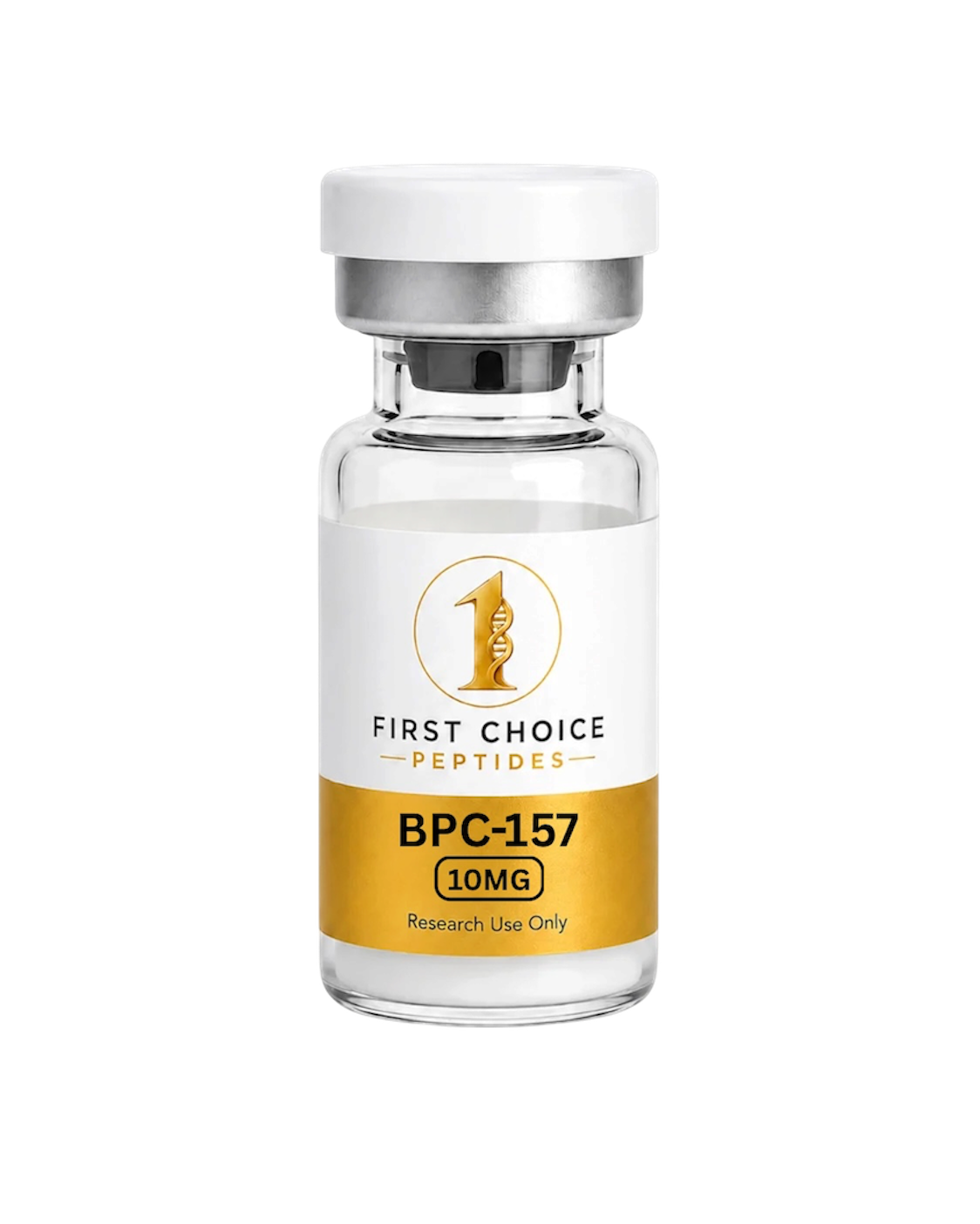
BPC-157
Synthetic 15-amino-acid research peptide
BPC-157 is a synthetic 15-amino-acid peptide used in experimental laboratory research involving peptide signaling, cell migration, angiogenesis-associated models, biochemical pathway analysis, and analytical peptide characterization. Evidence is primarily preclinical, and this product is supplied strictly as a research reagent. Not for human or veterinary use.
Frequently researched together
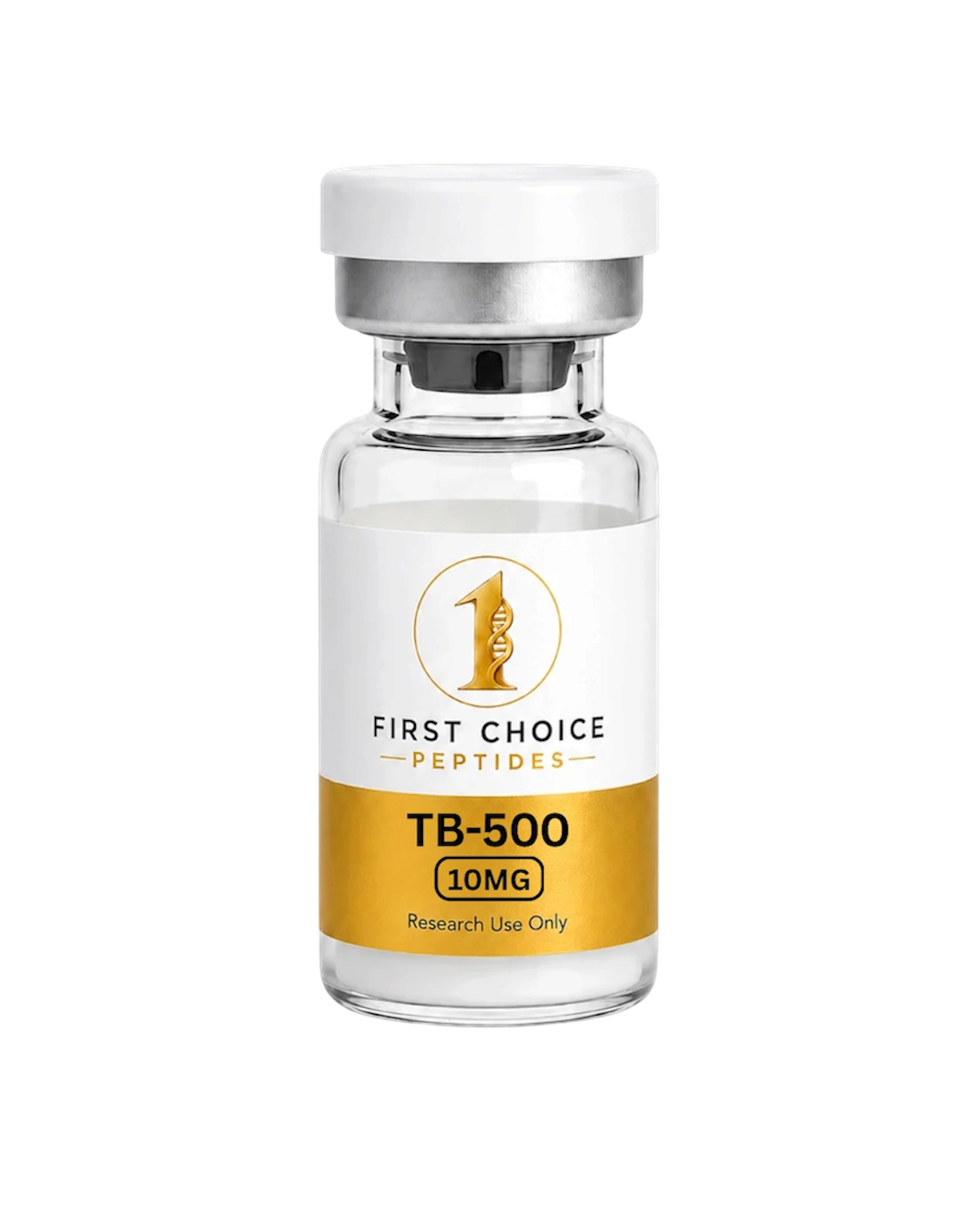
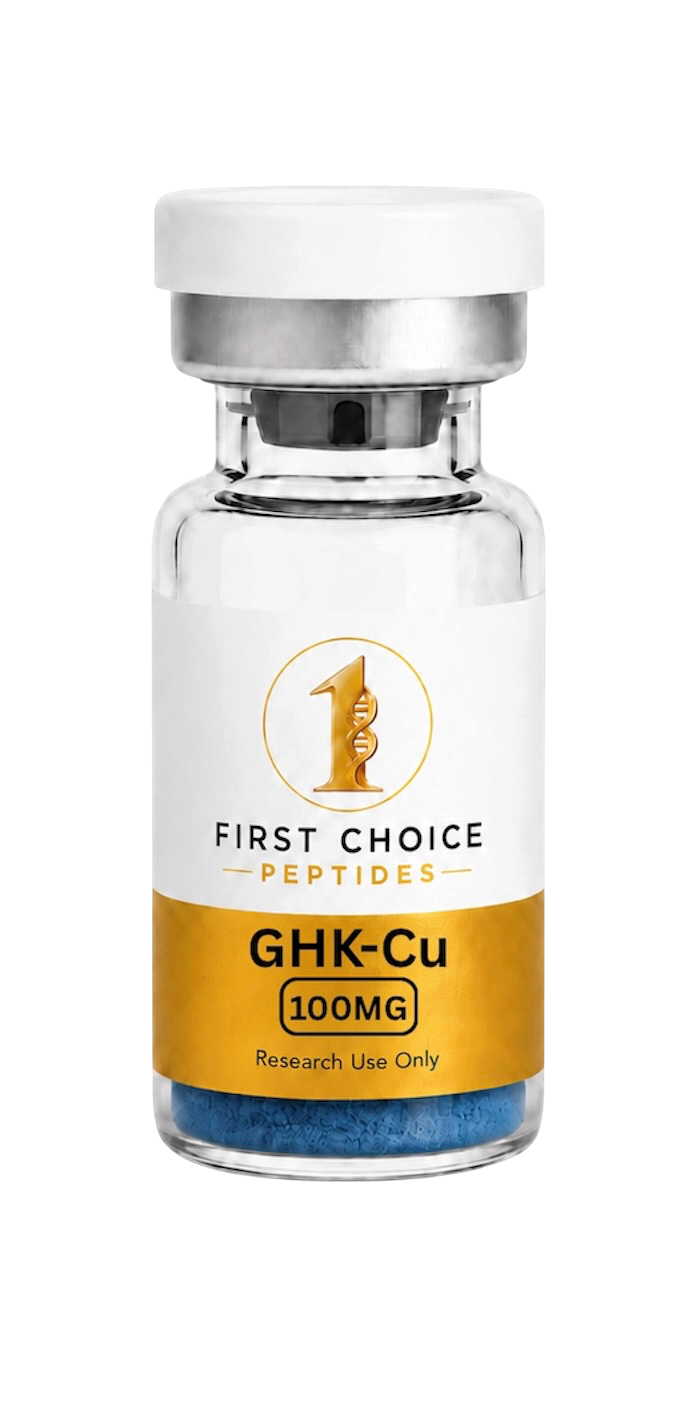
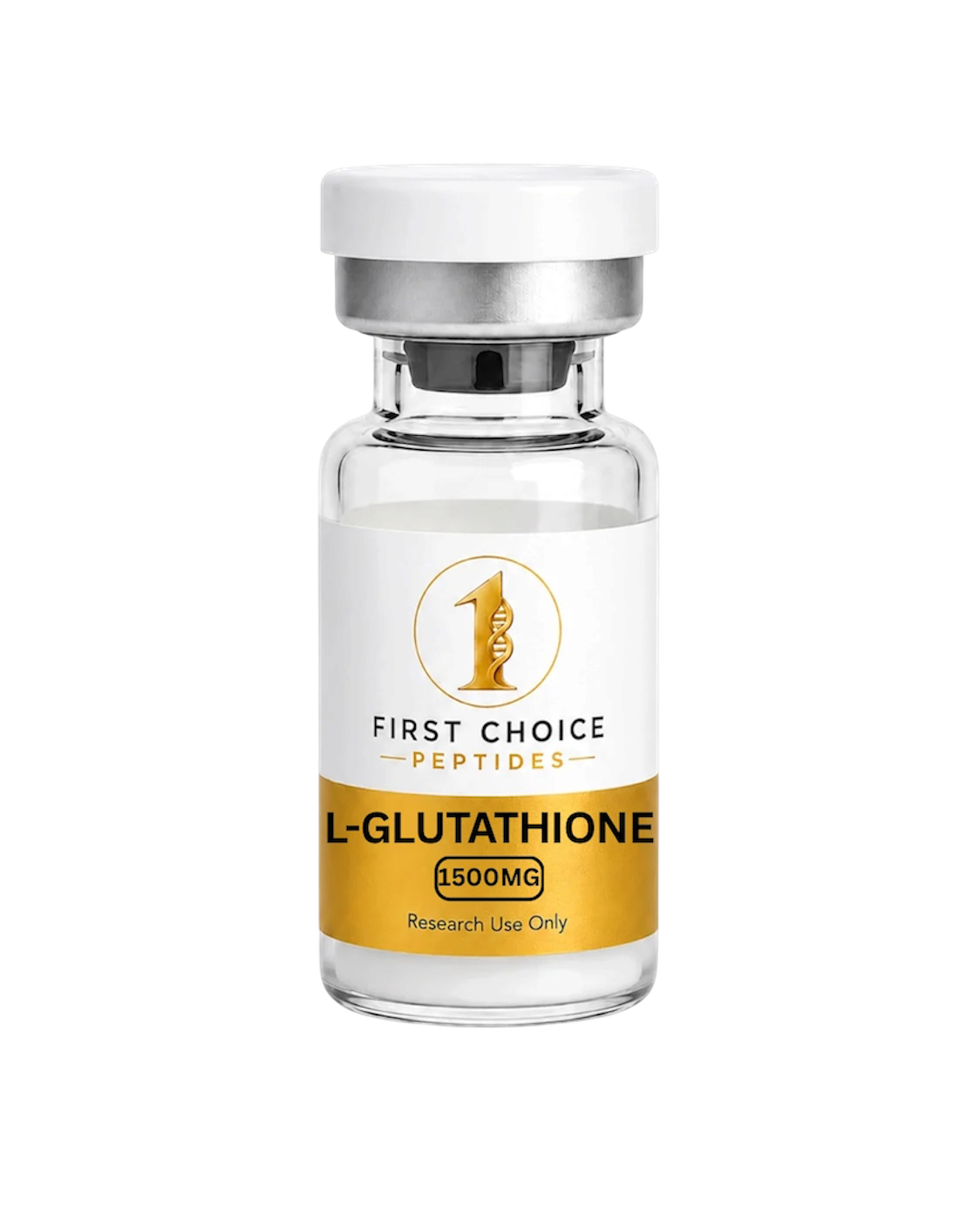
Other laboratory research compounds available in our catalog.

Compound information
Technical specifications
What is BPC-157?
BPC-157 is a synthetic 15-residue peptide whose sequence corresponds to a fragment of body protection compound, a protein sequence described in human gastric juice. It is supplied as a lyophilized powder in a 10 mg vial and filed in the catalogue under regenerative biology, with Body Protection Compound and PL 14736 listed as synonyms for the same sequence. The peptide has been the subject of published laboratory and preclinical research since the 1990s, and it also serves as a reference sequence in peptide-chemistry and analytical method work.
In single-letter notation the sequence is written GEPPPGKPADDAGLV, a pentadecapeptide with a proline-rich central region and adjacent acidic aspartate residues. It is catalogued under CAS 137525-51-0 with the molecular formula C62H98N16O22 and a molecular weight of 1419.50 g/mol, and no salt form or terminal modification is recorded for this entry. That molecular weight is the expected mass used in identity testing.
Lyophilized material is held at -20 C protected from light; reconstituted solution is held at 2 to 8 C for short-term laboratory use, with repeated freeze-thaw cycling avoided. Purity and identity are verified by third-party HPLC and mass spectrometry, with a certificate of analysis per lot. This material is supplied strictly for laboratory research and is not for human or veterinary use.
- CAS number
- 137525-51-0
- Molecular formula
- C62H98N16O22
- Molecular weight
- 1419.50 g/mol
Stability information
Recommended handling and storage conditions for retaining compound identity and integrity in the laboratory.
Lyophilized
-20°C · Protect from light
Reconstituted
2-8°C
Regulatory information
Development origin and regulatory status, compiled for reference.
- US status
- Not FDA-approved
- Class
- Research peptide
Frequently asked
Questions about BPC-157
What purity is BPC-157 supplied at, and is a Certificate of Analysis available?
Yes. Each lot of BPC-157 is tested by a third-party laboratory using HPLC for purity, and the certificate of analysis for the current lot is linked on this page and in the certificate library.
How is the identity of BPC-157 verified?
Identity is confirmed by mass spectrometry against the expected molecular weight of 1419.50 g/mol, alongside HPLC retention behaviour. Both results are recorded on the lot certificate.
How should BPC-157 be stored on receipt?
Lyophilized: -20°C (Protect from light); Reconstituted: 2-8°C.
Where is BPC-157 shipped from?
Orders ship from the United States in discreet, tracked packaging. Shipping is available to US addresses only.
Is BPC-157 supplied for research use only?
Yes. BPC-157 is sold strictly as a laboratory research material. It is not for human or veterinary use, not for diagnostic procedures, and has not been evaluated by the U.S. Food and Drug Administration. See the research use disclaimer for the full terms.
Answers describe how this material is tested, stored and shipped. They are not guidance on any use, and this compound is not for human or veterinary use.
Sources & references
Published literature in which this compound has been the subject of laboratory or preclinical study. Listed for bibliographic reference only.
Research and educational purposes only. These references are provided for bibliographic context. They are not evidence of safety or efficacy, and nothing here is medical advice or a claim about any use in humans or animals.
Journal of Physiology-Paris
Stable gastric pentadecapeptide BPC 157 and wound healing
Current Pharmaceutical Design
BPC 157 and the central nervous system
Pharmaceuticals (Basel, Switzerland)
Multifunctionality and Possible Medical Application of the BPC 157 Peptide-Literature and Patent Review
Cell and tissue research
Gastric pentadecapeptide body protection compound BPC 157 and its role in accelerating musculoskeletal soft tissue healing
Frontiers in pharmacology
Stable Gastric Pentadecapeptide BPC 157 and Wound Healing
Current pharmaceutical design
BPC 157 and Standard Angiogenic Growth Factors. Gastrointestinal Tract Healing, Lessons from Tendon, Ligament, Muscle and Bone Healing